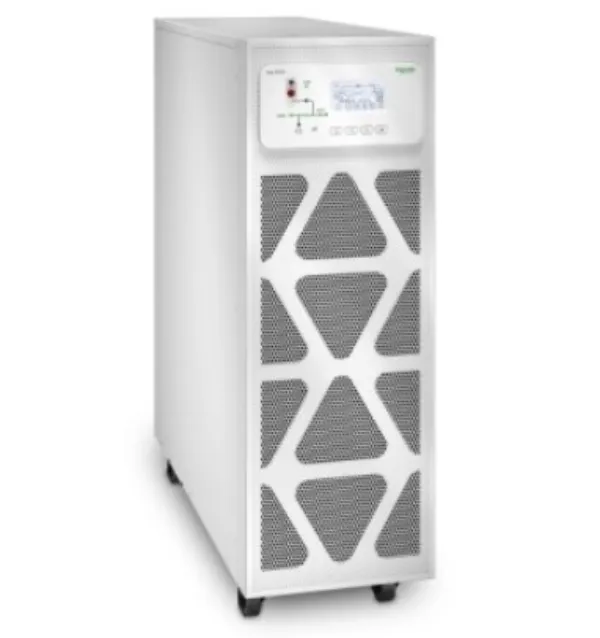
Power interruptions can affect computers, servers, networking equipment, billing systems, communication infrastructure plus other electronic devices used in commercial operations. A properly selected UPS System helps reduce the disruption caused by unexpected loss of utility power by providing temporary backup to connected equipment.
For businesses in Delhi NCR, selecting a suitable solution begins with understanding the electrical load rather than choosing equipment purely according to price. Offices, SMEs, commercial facilities plus IT environments can have very different backup requirements even when the number of connected devices appears similar.
Understand the Purpose of a UPS System
A UPS provides temporary electrical support when the primary power source becomes unavailable. Depending on its design, it may also help manage selected power-quality issues.
Its role becomes especially important when sudden shutdowns can interrupt important business processes.
Typical applications can include
- Servers
- Desktop computers
- Network switches
- Routers
- Firewalls
- Storage equipment
- Communication infrastructure
- Security equipment
- Selected business-critical electronics
The equipment connected to the unit should always remain within its specified operating capacity.
Calculate the Critical Load First
One common purchasing mistake is estimating capacity simply by counting devices.
Different devices have different power requirements. A server cannot be treated as equivalent to a small network switch merely because each represents one connected device.
Prepare a list of equipment that genuinely requires backup. Check the rated power requirement for every item. This creates a more reliable foundation for capacity planning.
Avoid placing non-essential electrical loads on backup power unnecessarily because they can consume capacity that should remain available for critical equipment.
Define the Required Backup Duration
The expected backup duration should be established before finalizing the configuration.
Some businesses require only enough time to shut down systems safely. Others need temporary continuity until another power source becomes available. Certain IT installations may require longer support because even a short interruption could affect operations.
Runtime depends on several factors, including connected load, battery configuration, battery condition plus operating environment.
This is why a UPS should not be selected from its headline capacity alone.
Plan for Future Expansion
IT infrastructure rarely remains unchanged.
A company may add workstations, networking devices, storage equipment plus other electronic systems after the initial installation. If the backup solution is already operating close to its intended capacity, expansion can create problems.
Businesses should consider realistic near-term growth during initial planning.
This does not mean purchasing excessive capacity. It means leaving appropriate room for expected changes.
Pay Attention to Installation Conditions
Location can influence equipment reliability.
The unit should be installed in an environment appropriate to the manufacturer's operating requirements. Adequate ventilation plus maintenance access should be considered during planning.
Poor cable organization can also complicate servicing. Critical connections should be arranged clearly so technicians can inspect equipment without accidentally disturbing unrelated infrastructure.
For businesses across Delhi NCR, this is particularly relevant in compact server rooms, network rooms plus office utility spaces where multiple systems may share limited space.
Maintenance Should Be Part of the Plan
Backup equipment should not be installed then forgotten.
Battery performance changes with age plus usage. Business loads can also change gradually as new equipment is introduced.
Periodic inspection can include
- Battery condition
- Current connected load
- Warning indicators
- Physical connections
- Ventilation
- Equipment cleanliness
- Changes in protected infrastructure
Maintaining basic records can make future servicing easier.
Choose According to Business Requirements
A suitable UPS System should reflect the actual load, desired backup period, operating environment plus expected expansion.
Archit Power Services supports commercial power backup requirements across Delhi NCR. Businesses evaluating backup infrastructure can begin by documenting critical equipment plus expected runtime before selecting capacity.
A well-planned solution provides more than temporary electricity. It forms part of a broader business continuity strategy designed around the equipment that matters most during a power interruption.
Keywords