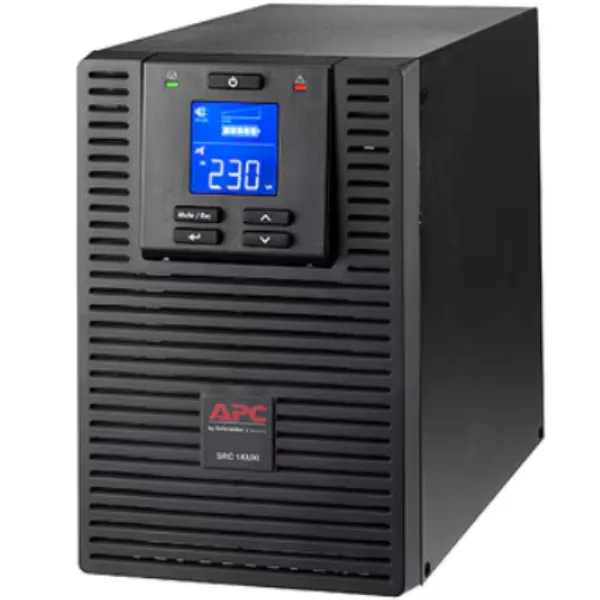
Many smaller commercial electrical environments operate with single-phase power for selected equipment. When these businesses need backup for IT infrastructure plus electronic systems, the incoming electrical arrangement becomes an important part of UPS selection.
A Single Phase UPS can support suitable applications where the electrical supply, connected load plus required capacity align with its design.
For businesses in Delhi NCR, selecting this equipment requires more than simply choosing a kVA rating.
Check the Electrical Supply First
Before selecting any UPS, understand the electrical environment where it will operate.
The available input supply, connected equipment plus distribution arrangement should be reviewed by appropriately qualified personnel.
This prevents a common problem selecting equipment based purely on load capacity without checking whether it fits the site's electrical infrastructure.
Identify the Protected Load
List every device intended to receive backup.
Possible loads can include
- Servers
- Workstations
- Network switches
- Routers
- Storage equipment
- Communication systems
- Security infrastructure
- Selected commercial electronics
Each item contributes to the total load.
The combined requirement should be assessed against the selected UPS specifications.
Avoid Using the Full Capacity as a Target
A UPS should not be selected with the intention of continuously pushing it to its maximum rating.
Businesses change. Additional equipment may be installed later.
Appropriate capacity planning can provide operational headroom for expected changes while keeping the system appropriately sized.
Think About Runtime Separately
Capacity tells only part of the story.
The business should also establish how long critical equipment needs support after utility power is interrupted.
Different organizations have different objectives. Some require brief continuity. Others need enough time for shutdown procedures plus transition to another source.
Battery configuration should therefore be planned according to the required runtime plus actual connected load.
Installation Needs Professional Planning
Power backup infrastructure should be integrated carefully with the electrical environment.
Important considerations can include
- Input supply
- Output distribution
- Earthing
- Cable sizing
- Ventilation
- Maintenance access
- Battery installation
- Protection arrangements
Applicable manufacturer instructions plus electrical practices should guide installation.
Consider Business Expansion
An office may start with a small number of users then grow substantially.
Network equipment, servers plus storage infrastructure may be added over time. This can increase the load placed on the UPS.
For growing companies across Delhi NCR, documenting future IT plans before buying backup equipment can reduce the likelihood of premature capacity limitations.
Maintain Records After Installation
Basic documentation is useful.
Record the installed UPS capacity, connected equipment, battery configuration plus important maintenance information.
When new equipment is introduced, the record can be updated. This makes it easier to determine whether the original power backup arrangement remains appropriate.
Match the System to the Facility
A Single Phase UPS should be selected through assessment of electrical supply, critical load, backup duration plus expansion requirements.
Archit Power Services works with businesses across Delhi NCR seeking suitable power backup equipment. Providing accurate information about the facility plus protected devices can help make equipment selection more precise.
The correct UPS arrangement should fit naturally into the electrical infrastructure while supporting the equipment that matters during a power interruption.
Keywords