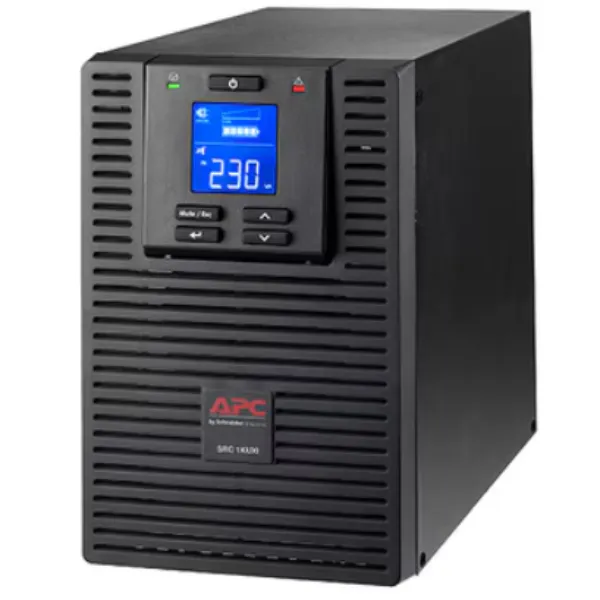
Servers, network equipment plus communication systems can be sensitive to unexpected power interruptions. Businesses that depend heavily on digital infrastructure therefore need to consider how critical equipment will remain protected when incoming power becomes unstable.
An Online UPS is commonly considered for environments where continuous power protection is important. For businesses in Delhi NCR, understanding the technology helps determine whether it suits the sensitivity plus importance of the connected load.
How This Technology Supports Critical Equipment
This category of UPS is designed to provide a controlled power path to connected equipment while maintaining battery-backed support for interruptions.
Its architecture makes it relevant for applications where power continuity is a priority.
Typical environments can include
- Server rooms
- Data infrastructure
- Network operations
- Communication equipment
- Business-critical IT systems
- Selected medical equipment
- Security infrastructure
- Commercial technology installations
Suitability still depends on proper sizing plus installation.
Identify Critical Equipment
Not everything inside an office requires the same level of backup protection.
The first planning step should be identifying equipment whose unexpected shutdown could interrupt important operations.
A network core device may deserve priority because several users depend on it. A business server may contain applications required throughout the working day.
Separating critical equipment from ordinary loads prevents backup capacity from being consumed unnecessarily.
Capacity Requires Proper Calculation
The UPS rating should never be selected through guesswork.
Businesses should identify the power requirement of each intended device, calculate the expected combined load, then assess suitable design capacity according to applicable equipment specifications.
Future expansion should also be considered.
If another server, storage device plus network appliance is likely to be installed soon, this expected load should form part of the planning process.
Backup Time Needs a Clear Objective
The phrase long backup is too vague for technical planning.
Determine what should happen after utility power fails.
Perhaps equipment only needs to remain operational until another power source takes over. In another facility, the objective may be enough time for controlled shutdown.
A clearly defined runtime requirement helps determine the appropriate battery configuration.
Installation Quality Matters
Even properly selected equipment can perform poorly when installed in unsuitable conditions.
Consider
- Ventilation
- Ambient conditions
- Cable routing
- Service access
- Electrical connections
- Battery placement
- Load distribution
Installation should follow applicable manufacturer guidance plus electrical practices.
Delhi NCR businesses operating compact IT rooms should pay particular attention to ventilation because multiple pieces of electronic equipment can contribute to heat buildup.
Avoid Unplanned Load Additions
A backup installation can change gradually after commissioning.
Someone connects another device. Months later, additional networking equipment is installed. Eventually, the original load calculation no longer represents the actual installation.
Keeping a record of protected devices can reduce this risk.
Significant infrastructure changes should trigger a fresh load assessment.
Consider Maintenance Accessibility
Batteries plus power electronics require periodic inspection. Equipment should therefore be positioned so qualified personnel can access it without unnecessarily disturbing critical IT infrastructure.
Waiting until a fault occurs before considering maintenance can create avoidable disruption.
Archit Power Services supplies power backup solutions for commercial requirements across Delhi NCR. Businesses evaluating an Online UPS can improve purchasing decisions by sharing their critical-load list, expected runtime plus future expansion requirements.
The most suitable solution is not simply the highest-capacity model available. It is one that has been properly matched to the operational importance, electrical demand plus continuity needs of the protected equipment.
Keywords