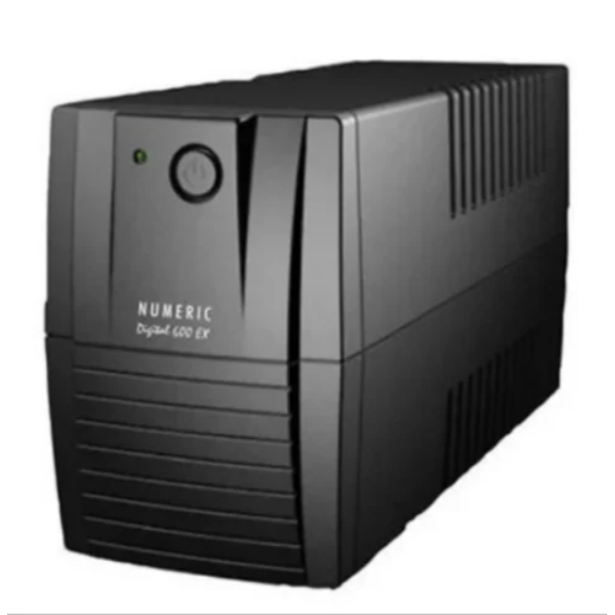
A UPS quotation may contain a model name, capacity plus price, but those details alone do not tell a business whether the proposed solution fits its infrastructure.
Before selecting equipment through a Numeric UPS Dealer in Delhi NCR, buyers should ask questions that connect the product specification to the real operating environment.
What Equipment Will Be Protected?
This is the first question.
List every device that needs backup. Avoid including equipment merely because it is located near the UPS.
Critical IT loads might include servers, switches, routers, storage equipment plus communication devices.
The list creates the foundation for sizing.
What Is the Actual Load?
Equipment quantity is not the same as electrical demand.
Power requirements should be calculated using available technical information for each device.
The proposed UPS capacity should then be evaluated against this expected load plus suitable operational headroom.
How Much Backup Is Needed?
Ask what the organization expects after utility power fails.
Does it need enough time for controlled shutdown? Is backup required until another supply becomes available? Is temporary continued operation essential?
Battery configuration should reflect this objective.
Is Expansion Expected?
The business may currently have a modest IT environment but plan to add infrastructure.
Expected additions should be discussed before the UPS is selected.
Otherwise, the installation may have little capacity available for growth.
Where Will the UPS Be Installed?
The physical environment matters.
Check ventilation, access, electrical infrastructure, available space plus cable routing.
If batteries require separate placement, include that requirement in the layout.
Planning the area before delivery can simplify installation.
How Will Maintenance Be Managed?
UPS equipment should be inspected periodically.
Ask what routine checks are appropriate for the selected model plus battery arrangement.
Keep records of installation dates, battery information plus important service activity.
This provides useful history if performance changes later.
What Documentation Is Available?
Product documentation helps businesses understand specifications plus operating requirements.
Retain applicable manuals, purchase documents plus warranty information.
IT managers should also maintain their own record of the equipment connected to the UPS.
Is the Proposed Capacity Based on Calculation?
This final question can expose weak purchasing assumptions.
A proposed capacity should have a clear reason behind it. It should relate to actual load plus backup requirements rather than simply being a commonly purchased size.
Archit Power Services supports businesses across Delhi NCR seeking power backup solutions. When contacting a Numeric UPS Dealer, providing detailed load plus runtime information can help make product discussions more relevant to the actual application.
A UPS purchase should ultimately answer a business continuity question which equipment must remain protected when incoming power is interrupted? Once that question is clear, capacity, battery planning plus installation requirements become easier to evaluate.
Keywords