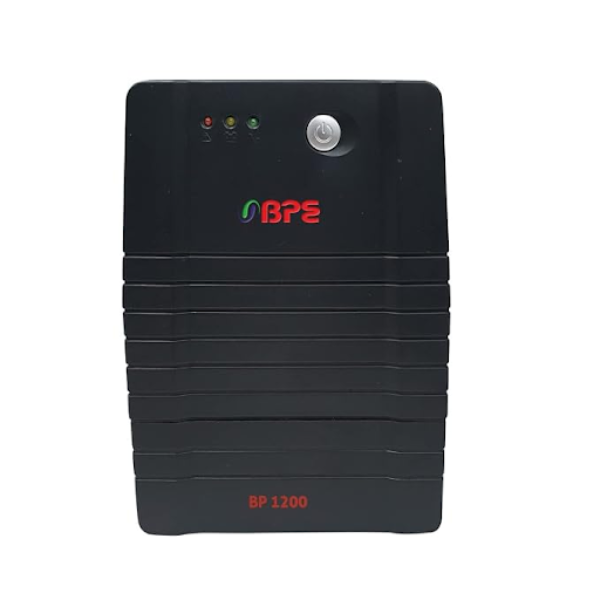
Selecting a UPS supplier becomes easier when the buyer knows exactly what information should be checked before placing an order. Businesses searching for a BPE UPS Dealer in Delhi NCR can improve the purchasing process by preparing technical plus operational requirements in advance.
A UPS affects business continuity, so equipment selection deserves the same structured approach used for other important IT infrastructure.
Confirm the Intended Application
Start by defining what the UPS will protect.
A backup requirement for a few office computers differs from one supporting network infrastructure, servers plus communication systems.
The application helps determine the type plus capacity of equipment that should be evaluated.
Calculate the Connected Load
Prepare an inventory of every critical device.
Check available equipment labels, technical documentation plus manufacturer information to understand expected power consumption.
The total load should then be considered alongside suitable UPS capacity.
Avoid relying solely on statements such as ten computers because the power requirement can vary substantially between installations.
Decide the Required Runtime
Tell the supplier how long the connected equipment needs backup.
This information is essential for battery planning.
The goal might be brief continuity, controlled shutdown plus temporary operation until another power source becomes available.
A specific objective is much more useful than requesting maximum backup.
Check Installation Requirements
Before buying, inspect the intended installation area.
Consider
- Available electrical supply
- Space
- Ventilation
- Cable routing
- Battery placement
- Service access
- Existing power distribution
A mismatch discovered after equipment arrives can delay commissioning.
Ask About Future Capacity
Businesses often expand their IT infrastructure after the UPS is installed.
If additional servers, networking equipment plus other critical systems are expected soon, include these plans during sizing.
This helps avoid purchasing equipment that becomes inadequate shortly after installation.
Review Product Documentation
Technical information should be part of the buying process.
Check relevant specifications for the proposed BPE equipment. Confirm that the model suits the intended load plus electrical environment.
Businesses should retain product documents plus purchase records after installation for future reference.
Plan Maintenance Access
UPS systems plus batteries require periodic attention.
Do not install equipment in a location that becomes difficult to reach once furniture, racks plus other infrastructure are added.
Good access can simplify inspection plus servicing.
Evaluate the Requirement Before the Quotation
A useful quotation should reflect the actual application.
Providing only a requested kVA rating leaves important questions unanswered.
Archit Power Services supports commercial power backup requirements across Delhi NCR. Businesses approaching a BPE UPS Dealer can make the selection process more efficient by providing their critical-load inventory, expected runtime plus installation conditions from the beginning.
UPS purchasing becomes much clearer when technical requirements are documented first. Instead of choosing a model based on familiarity, businesses can evaluate whether the proposed solution genuinely fits the equipment plus continuity requirements of the facility.
Keywords